Source Eco-Friendly Woven Clothing Tags for Garments, Shoes, Bags
Compare 30 Eco-Friendly Woven Clothing Tags from verified suppliers. Options include custom sizes, wash care labels, and various fold types suitable for garments, shoes, and bags with MOQs ranging from 30 to 10,000 pieces; compare the available evidence and request quotations based on your requirements.
Key considerations
Products List


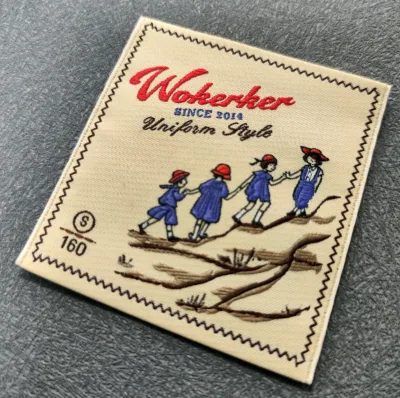


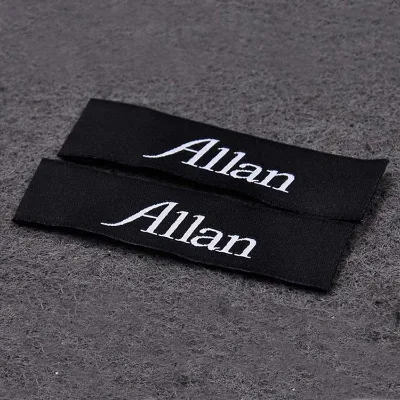


Eco Friendly Swing Hangtags Tags and Labels Pricetag Custom Logo Clothing Tag
$0.01 - $0.20
MOQ: 1000 Sets


Comprehensive Sourcing Guide
Eco-Friendly Woven Clothing Tags Sourcing Guide
Sourcing eco-friendly woven clothing tags requires a strategic balance between aesthetic customization and sustainable material integrity. Buyers must recognize that the market offers diverse options, ranging from standard cloth labels to specialized woven fabrics designed for durability and environmental responsibility. The observed product landscape indicates a strong emphasis on customization, with suppliers supporting OEM and ODM services to meet specific brand identities. This flexibility allows purchasers to tailor labels for garments, shoes, and bags, ensuring that the final product aligns with both functional requirements and brand values.
Understanding the technical nuances of woven labels is essential for successful procurement. Key attributes such as fold type, shape, and backing method significantly impact how the label integrates with the final product. For instance, end fold and center fold styles offer different finishing options, while triangle or rectangular shapes may suit specific design aesthetics. Additionally, features like waterproofing and washability are critical for maintaining label legibility through repeated laundering. Buyers should prioritize suppliers who provide clear specifications on these technical details to avoid mismatches between the label’s performance and the garment’s care requirements.
Product Scope and Observed Listing Signals
The current market for eco-friendly woven clothing tags exhibits a wide range of customization capabilities, with many suppliers offering tailored solutions for various industries. Observed listings highlight the availability of custom colors, logos, and sizes, allowing brands to create unique identifiers that resonate with their target audience. The material composition often includes cloth or woven fabric, which are chosen for their durability and ability to hold intricate designs. These materials are frequently marketed as eco-friendly, appealing to consumers who prioritize sustainability in their purchasing decisions.
In addition to material choices, the observed product scope includes various functional features such as wash care instructions and recyclability. Suppliers often provide labels that are not only visually appealing but also practical, ensuring that care instructions remain legible after multiple washes. The presence of neutral carton packing and polybag options suggests a focus on efficient logistics and storage. Buyers should note that while many products claim eco-friendly attributes, it is crucial to verify these claims through detailed product specifications and supplier communication to ensure alignment with sustainability goals.
Technical Specifications to Verify
When evaluating woven clothing tags, buyers must closely examine technical specifications to ensure compatibility with their production processes. Key parameters include the label’s shape, such as folded or triangle styles, and the fold type, which can be end fold or center fold. These details influence how the label is attached to the garment and its overall appearance. Additionally, the backing method, whether sewing on, ironing on, or sticking on, must be selected based on the fabric type and desired durability. Verifying these specifications with the supplier prevents potential issues during the manufacturing and assembly stages.
Another critical aspect is the label’s material and feature set, which should align with the product’s intended use. For garments, shoes, and bags, labels must withstand wear and tear while maintaining their aesthetic appeal. Features like waterproofing and washability are essential for ensuring that care instructions remain visible and intact. Buyers should also confirm the label’s size and color options, as these elements contribute to the brand’s visual identity. By meticulously reviewing these technical details, purchasers can select labels that meet both functional and aesthetic requirements, enhancing the overall quality of the final product.
Compliance and Safety Documentation
Ensuring that woven clothing tags comply with relevant safety and environmental standards is a critical step in the sourcing process. Buyers should request documentation that verifies the eco-friendly claims made by suppliers, such as certifications related to sustainable materials or manufacturing processes. While specific standards like OEKO-TEX are mentioned in the background, it is essential to confirm the current status and applicability of these certifications for the specific products being sourced. This verification helps mitigate risks associated with non-compliance and ensures that the labels meet regulatory requirements in target markets.
In addition to environmental compliance, buyers must consider the safety of the materials used in the labels. This includes verifying that the inks, dyes, and fabrics are free from harmful substances that could pose risks to consumers or the environment. Suppliers should provide clear information on the composition of the labels and any relevant test results that demonstrate compliance with safety standards. By prioritizing suppliers who offer comprehensive compliance documentation, purchasers can build trust with their customers and uphold their brand’s commitment to sustainability and safety.
Cost Drivers and Commercial Terms
The cost of eco-friendly woven clothing tags is influenced by several factors, including material quality, customization complexity, and order volume. Buyers should be aware that higher levels of customization, such as unique shapes, colors, or logos, may result in increased production costs. Additionally, the choice of material, whether standard cloth or specialized woven fabric, can impact the price. Understanding these cost drivers allows purchasers to make informed decisions that balance budget constraints with quality expectations, ensuring that the final product meets their financial and operational goals.
Commercial terms, such as minimum order quantities (MOQ) and lead times, also play a significant role in the sourcing process. Observed listings indicate a wide range of MOQs, from as low as 30 pieces to as high as 10,000 pieces, providing flexibility for different business needs. Buyers should negotiate terms that align with their production schedules and inventory management strategies. Additionally, understanding the sample process, including lead times and costs, is crucial for evaluating potential suppliers. By carefully reviewing commercial terms, purchasers can establish a sustainable and efficient supply chain that supports their business objectives.
Supplier Qualification and Quality Control
Selecting the right supplier for eco-friendly woven clothing tags requires a thorough evaluation of their qualifications and quality control processes. Buyers should assess the supplier’s experience in producing woven labels, their ability to meet customization requests, and their commitment to quality assurance. This includes verifying their production capabilities, such as the use of advanced weaving techniques and the availability of in-house design services. A supplier with a robust quality control system is more likely to deliver consistent, high-quality products that meet the buyer’s specifications.
In addition to technical qualifications, buyers should consider the supplier’s responsiveness and communication skills. A supplier that provides quick replies and clear updates throughout the production process can help prevent delays and misunderstandings. It is also important to evaluate the supplier’s track record in handling custom orders and their ability to adapt to changing requirements. By conducting a comprehensive supplier qualification process, purchasers can identify partners who are not only capable of meeting their technical needs but also aligned with their business values and operational expectations.
Long-Term Procurement Checks
Establishing long-term procurement relationships with suppliers of eco-friendly woven clothing tags requires ongoing monitoring and evaluation. Buyers should regularly review supplier performance metrics, such as delivery times, product quality, and responsiveness to issues. This continuous assessment helps identify potential areas for improvement and ensures that the supplier remains aligned with the buyer’s evolving needs. Additionally, maintaining open communication channels with suppliers facilitates collaboration and problem-solving, fostering a partnership that supports mutual growth and success.
Furthermore, buyers should stay informed about industry trends and advancements in sustainable materials and manufacturing processes. This knowledge enables purchasers to make informed decisions about future sourcing strategies and identify opportunities for innovation. By regularly updating their supplier base and exploring new options, buyers can ensure that they remain competitive in the market while adhering to their sustainability commitments. Long-term procurement checks, therefore, play a crucial role in maintaining a resilient and adaptable supply chain that supports the buyer’s strategic objectives.
FAQs
What customization options are available for Eco-Friendly Woven Clothing Tags?
Customization is available, including custom colors, custom sizes, and custom logos. Listings show OEM and ODM services supported, with main label construction and end fold or center fold options. You can request recycled or washable fabric qualities, sewing on, iron on, or sticking on backing, so specify your garment, shoe, or bag application when requesting quotes.
How do I choose between end fold and center fold woven tags?
Choose end fold when the label edges will be sewn flat into a seam, which suits garments, shoes, and bags needing clean finished edges. Choose center fold when the tag hangs from a seam, such as care or brand labels, because the fold hides the raw top edge. Both fold types appear among available woven tag styles on this page.
Can eco friendly woven tags be washed without losing their printed detail?
Yes, washability is a listed feature, and several products highlight wash care qualities suitable for garments. Because these tags are woven from fabric rather than printed, the detail is created by the weave itself, which holds up better through repeated laundering. Confirm the recommended wash temperature and backing type with the supplier for your specific fabric and application.
What is the typical minimum order quantity for these woven tags?
Minimum order quantities vary widely across listings, from 30 pieces for some items to 100 pieces, 100 pieces marked PCS, and 5000 pieces for others. The observed MOQ range on this page spans 30 to 10000 pieces. Smaller MOQs often come with higher unit prices, so compare quotes against your actual label volume before ordering.
How long does sampling take before bulk production of woven labels?
Sampling time is listed as 5 to 7 days for some products and 3 to 5 days for others, depending on the supplier and design complexity. Provide artwork, size, fold type, and backing requirements upfront to avoid delays. After approving the sample, confirm the bulk production and shipping timeline, since these are quoted separately per supplier.
Which packaging options are used when shipping woven clothing tags?
Listed packing options include neutral cartons, polybags, and bulk cartons, with one listing noting 500 pieces per polybag. Some suppliers also reference carton dimensions such as 46 by 35 by 35 for shipping. If you need retail-ready or private-label packaging, request it during customization, since standard export packing is typically a plain polybag or neutral carton.
What materials and eco friendly features do these woven tags offer?
The tags are made from cloth or woven fabric, with eco friendly, recycled, and washable qualities listed across products. Some listings also describe waterproof characteristics. Because product attributes vary by listing, ask each supplier to confirm the exact fabric composition and which eco features are documented for the specific tag model, such as WL01 or model 008, before ordering.
Where are these Eco-Friendly Woven Clothing Tags produced?
Listed origins include China, with more specific locations such as Dongguan and Xiamen shown in individual product listings. Sourcing from these manufacturing hubs typically gives access to customization, quick sample turnaround, and export packaging. Confirm the exact origin and shipping terms with each supplier when comparing quotes, since origins differ between products on this page.